

I created the Inclusive Study Support Network (ISSN) because higher education frequently subjects students with disabilities to a form of "Quiet Exclusion". Standard university settings rely heavily on handwritten notes, unrecorded lectures, and inaccessible formats that inherently disadvantage students with visual, hearing, or mobility impairments. While individual student goodwill and a desire to help exist on campus, this informal assistance is often irregular and inconsistent, which ultimately leads to volunteer burnout. I designed this innovation to bridge that exact gap by organizing existing campus goodwill into a structured, zero-cost network that converts sporadic help into a reliable system. My goal is to break down these physical, academic, and structural barriers entirely—rebuilding the campus environment so that a student's ultimate academic potential is never restricted by a lack of privilege.
To achieve this, the ISSN model introduces a coordinated 1:3 student-to-volunteer pairing system on campus, ensuring consistent peer support while preventing volunteer fatigue. We overcome material and physical barriers by creating a centralized, screen-reader-friendly Google Drive repository for all class notes and lectures, making resources universally accessible. Furthermore, we collaborate directly with faculty by sharing simple academic micro-guidelines to help university professors foster fully inclusive classroom environments. By optimizing existing student behavior
In practice, the Inclusive Study Support Network (ISSN) operates as a well-coordinated, zero-cost campus ecosystem that seamlessly integrates into the daily academic routine. Instead of relying on unpredictable, informal student help, the model establishes a structured network where a student with a disability is paired with a dedicated team of three peer-volunteers. This 1:3 buddy system ensures consistent, daily academic assistance throughout the university journey while completely preventing volunteer burnout. The core operational hub of the innovation is a centralized, screen-reader-friendly digital repository hosted on Google Drive, supplemented by active WhatsApp groups and social networks. Peer-volunteers attend classes, digitize their handwritten notes, and record lectures, immediately uploading them to this accessible hub. This guarantees that students with visual, hearing, or mobility impairments have identical, barrier-free access to all course materials. Beyond digital spaces, the innovation utilizes existing campus assets like accessible classrooms, central library zones, and student common hubs to host inclusive peer study sessions. Concurrently, the network collaborates with university professors by sharing simple academic micro-guidelines, ensuring that the physical and instructional classroom environments are fully welcoming and adapted to every student's needs.
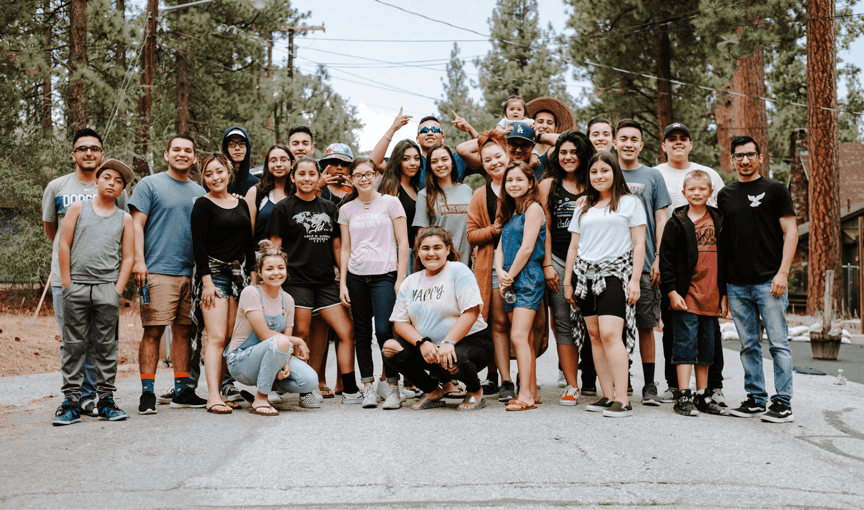
The innovation has been spreading as an organic, grassroots movement driven by structured empathy, community asset mapping, and strategic campus collaborations. It began by mobilizing human capital directly at the University of Rajshahi, rapidly building a dedicated network of over 40 student volunteers ready to act as academic peer-buddies and share digitized learning materials. The primary catalyst for its growth is its absolute financial independence; because it requires zero funding and optimizes existing student behaviors alongside free digital tools, it faces no economic barriers to replication. It spreads by turning casual campus goodwill into an organized, highly visible system that demonstrates immediate social impact. This visible success has fostered strong partnerships with university faculty members who embed these inclusive practices directly into the daily academic culture. Additionally, the model expands its reach by collaborating with local disability foundations, which helps validate the system, refine the volunteer training, and connect the network with students who need support. By proving that deep social impact relies on rebuilding systems rather than securing heavy funding, the ISSN model serves as a highly scalable blueprint that other departments and institutions can easily adopt to eliminate "Quiet Exclusion" on their own campuses.
If you want to implement the ISSN model on your campus, you should begin by mapping your local community assets, focusing on human capital, available campus spaces, and free technology. First, recruit a foundational core of dedicated student volunteers and establish the structured "Academic Buddy" network by pairing each participating student with a disability with a team of three peer-volunteers to ensure sustainable, consistent support. Next, set up your zero-cost digital infrastructure; create a centralized, screen-reader-friendly Google Drive repository and launch coordinated WhatsApp groups or social networks to easily digitize and share class lectures and handwritten notes. Once the digital hub is ready, identify and utilize existing, accessible campus spaces such as central library zones or student common hubs to conduct inclusive peer study sessions. To ensure systemic impact, reach out to your university faculty and local disability foundations; provide professors with simple academic micro-guidelines to optimize the classroom environment, and collaborate with foundations to properly train your volunteers. By systematically transforming casual student goodwill into this structured, free digital network, you can successfully break down academic barriers and build a lasting culture of equity at your institution.