I created IRALS CAMP because traditional schools do not prepare children for real life. Students learn theory but rarely gain practical skills, emotional support, independence or confidence. I wanted to build a place where education becomes meaningful, hands‑on and human-centered. IRALS CAMP was created to give children real experiences, real skills and a safe environment where they can grow as individuals, not as test scores. My goal is to build a model of the school of the future — practical, international and focused on the whole child.
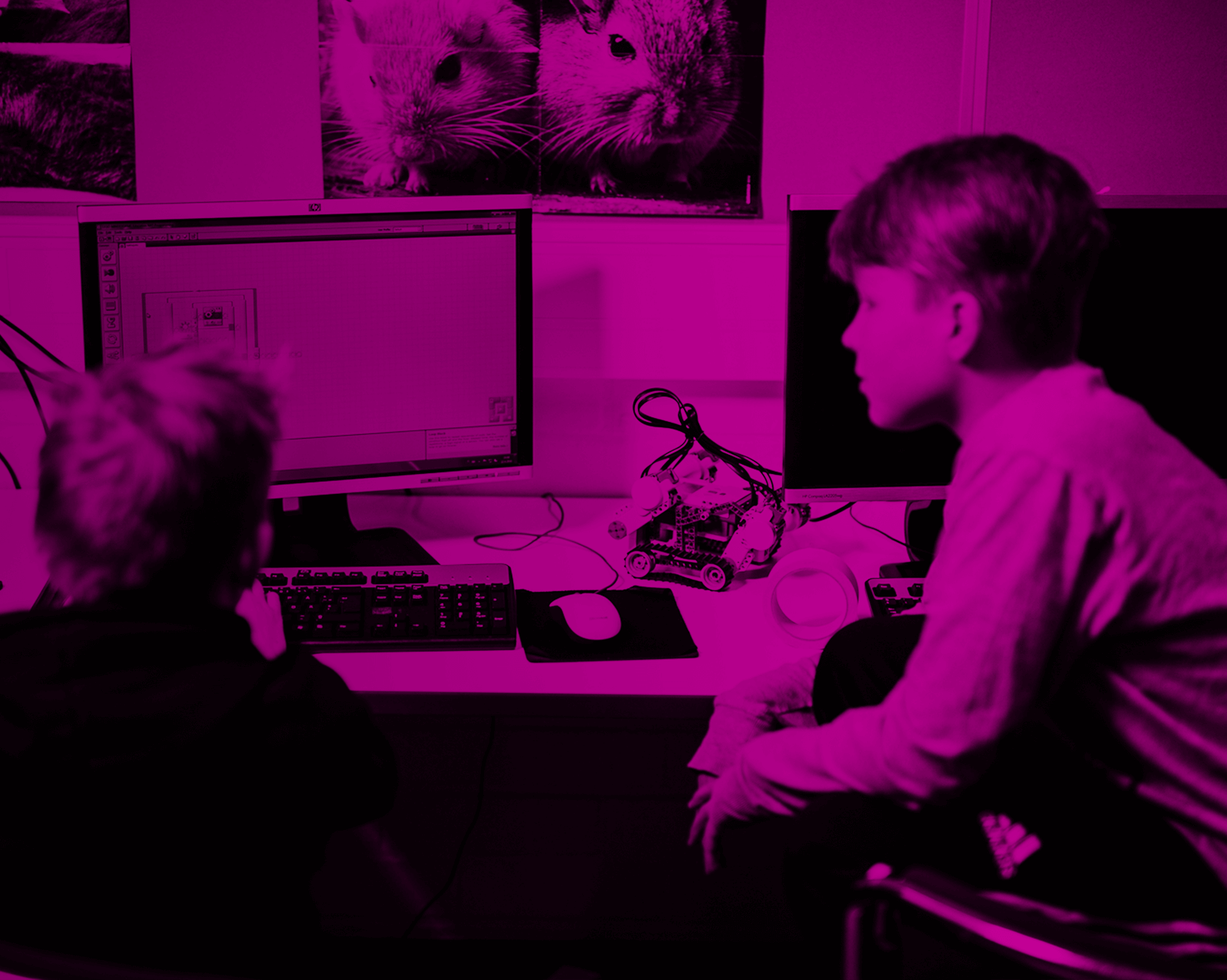
In practice, IRALS CAMP functions as a residential learning environment where students live, study and develop real-life skills every day. Learning happens through hands‑on projects in engineering, medicine, science, languages and sports. Instead of traditional lessons, students work in labs, workshops, simulation rooms and outdoor spaces. They cook, manage their routines, solve real problems, collaborate in teams and receive personal guidance instead of grades. The campus operates like a small, safe, international community where every activity — from morning routines to project work — becomes part of the learning process.
IRALS CAMP is currently spreading through early concept presentations, online communication and discussions with educators, parents and students. The idea is being shared through social media, educational communities and personal networks. Although the campus is still in development, interest is growing as more people learn about the model and its focus on real‑life learning, well‑being and practical skills
How have you modified or added to your innovation?
IRALS CAMP is still in its development phase, but the concept has been refined through feedback from students, parents and educators. I have added more focus on real‑life skills, emotional well‑being and interdisciplinary learning. The model continues to evolve as I explore new ways to make learning more practical, meaningful and student‑centered.
Anyone interested in IRALS CAMP can contact me to learn more about the concept, see the model and discuss possible collaboration or pilot opportunities. Since the innovation is still in development, the first step is simply to reach out, ask questions and explore how the model could be adapted or tested in their context. I am open to sharing materials, explaining the structure and supporting anyone who wants to try the idea.