

This innovation was created to address the gap between students and university leadership in meaningful and structured communication. While students are directly affected by academic policies, services, and learning environments, their voices are often collected through passive tools such as surveys, which lack depth, engagement, and immediate impact.
We identified that students needed a platform where they could openly express their challenges, ideas, and aspirations, while also engaging in direct dialogue with decision-makers in a transparent and constructive environment. At the same time, university leadership needed a more effective way to understand student needs beyond written feedback.
The Student-University Dialogue Model was developed to transform this dynamic. Instead of one-way communication, it creates a two-way, interactive process where students actively participate in discussions, and leadership gains real-time insights. This leads to more practical recommendations, stronger trust, and a sense of shared responsibility in shaping the academic experience.
Ultimately, the innovation was driven by the need to move from traditional, limited feedback systems to a more inclusive, engaging, and impactful approach that empowers students and improves institutional responsiveness.
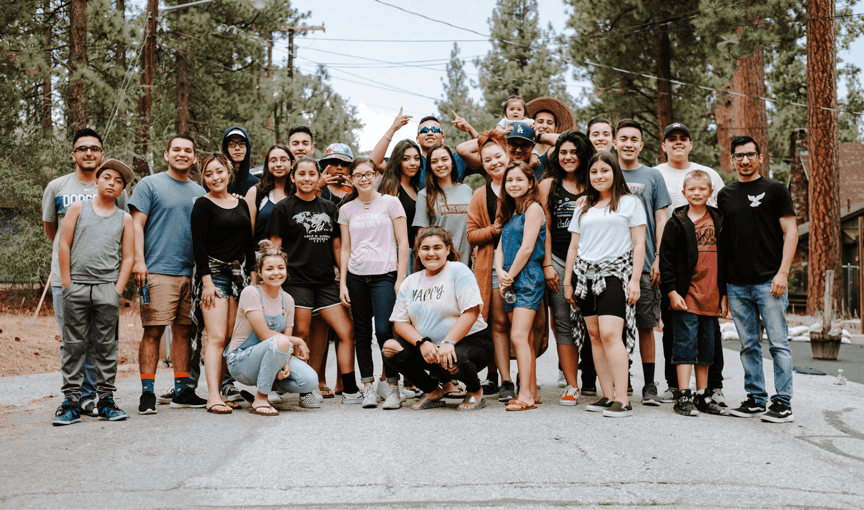
In practice, the innovation takes the form of a structured student summit organized within the university. The summit brings together selected students and university leadership in a shared physical space designed for open dialogue.
The process begins with identifying key topics that reflect student priorities, such as academic challenges, campus services, and student life. Students are then given the opportunity to openly discuss these topics in a moderated environment, ensuring that conversations remain focused and productive.
During the summit, students present their perspectives, share real experiences, and propose ideas for improvement. University representatives actively listen, respond, and engage in discussion rather than simply observing.
The session is managed to produce clear outcomes, including documented insights and practical recommendations. These outcomes can then be reviewed and considered for implementation by the university.
What makes this model unique is its structure—it is not an open forum or a one-time discussion, but a guided, outcome-oriented dialogue designed to generate real value for both students and the institution.
The innovation has started gaining attention within the university environment as a new approach to student engagement. Its success lies in its simplicity and relevance, making it easy to replicate in different contexts.
Students who participated in the summit shared their experiences with peers, increasing awareness and interest. At the same time, the visibility of the event through internal communication channels and social platforms helped highlight its impact and outcomes.
The model has strong potential for scalability, as it does not require complex resources or advanced infrastructure. Any educational institution can adopt it by organizing similar structured dialogues between students and leadership.
As more institutions recognize the importance of student voice in shaping education, this model can naturally expand beyond a single university and be adapted across different campuses and educational systems.
Following the initial implementation, the model has been refined to enhance its effectiveness and structure. Improvements include better topic selection based on student priorities, clearer moderation techniques to ensure balanced participation, and stronger documentation of outcomes.
Additionally, more focus has been placed on ensuring that discussions lead to actionable recommendations rather than general conversations. These refinements aim to make each future summit more impactful, organized, and results-driven.
To implement this innovation, start by identifying the key objective: creating a structured dialogue between students and university leadership.
First, select a group of students who represent diverse perspectives within the institution. Then, define a set of clear discussion topics based on real student concerns.
Next, organize a physical or virtual summit where both students and leadership can meet in a controlled and respectful environment. Assign a moderator to guide the discussion and ensure that all voices are heard.
During the session, focus on encouraging open dialogue while maintaining structure. Document key points, insights, and recommendations as they emerge.
After the summit, compile the outcomes into a clear report that can be shared with relevant stakeholders for consideration and follow-up.
The model is simple to apply and can be adapted to different institutions, making it a practical and scalable approach to improving student engagement and educational outcomes.