
"I created Vital Knights because hope was leaking away, and no one had noticed."
When I moved to rural Luanshya, I met a 14-year-old girl already pregnant. A 15-year-old boy already addicted to alcohol. Teenagers dropping out — not because they were stupid, but because no one told them they mattered.
As a nurse and counselor, I've treated STIs and held crying young mothers. I learned that talking alone isn't enough. You can't counsel away a lack of purpose.
So I built Vital Knights — where chess is king, but other sports and games run alongside. We play to think, sweat, and belong. Then we talk — about bodies, boundaries, dreams, and staying in school.
We're still new. Right now, my goal is simple: keep them coming back. Every child who shows up is a small victory. Every laugh, every chess move, every honest question — that's progress.
I created this club because a village without play becomes a village without hope. Doing nothing was never an option.
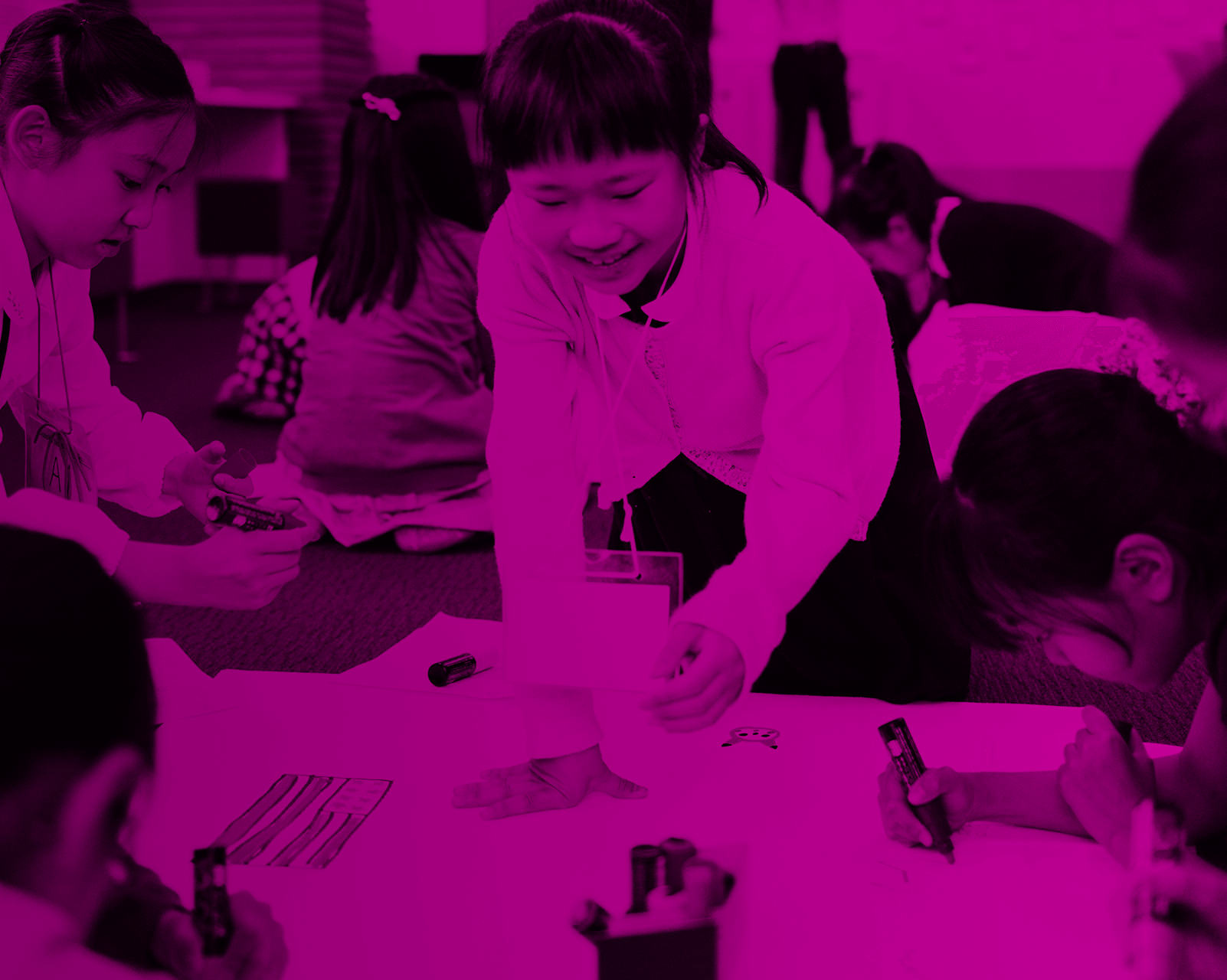
We meet three times a week, right after school. Two of those days are all about chess — learning moves, solving puzzles, playing matches. Fridays are different: we play soccer or netball just to run around and stay fit. At the end of every session, we sit in a circle for a short health talk — nothing too heavy, just real conversations about growing up, saying no, and staying safe. I also started a WhatsApp group just for health talks. Not everyone feels comfortable speaking up in person, so they can ask questions there — anonymously if they want. It's simple. It's low-cost. And so far, they keep showing up.
The club is still new, so the spread is slow — but it's happening. Being the first innovation of its kind in this area, people are curious. Word travels. Parents talk. Children tell their friends. What really tells me it's spreading is how many people approach me now — just to ask about the club. They want to know what it is, who can join, and when we meet. That's how change starts: one question at a time.
At first, Vital Knights was strictly chess — just the board and the talks. But I quickly realized that not every child loves chess, so I added other games and sports like soccer and netball to keep everyone engaged. I also started collaborating with school teachers, which has opened new doors. My next goal is to have Vital Knights included in the school's sports day program. That way, chess and health talks become part of the official school calendar — not just an after-school club.
Start small. Find a quiet spot — the nearest school is ideal. Gather a few basic materials: chess boards, checkers, a soccer ball, and a netball. Don't worry if you can't afford everything — I borrow the school's balls, and it works just fine.
Build strong relationships with teachers and find reliable partners who share your vision. Identify a few motivated youths to be your champions — let them help recruit others. Earn the trust of parents and guardians by being truthful, consistent, and trustworthy.
Be prepared for challenges: keeping youths engaged and fighting absenteeism. The secret? Always make it fun. Bring interesting lessons, rotate activities, and stay flexible. If they look forward to coming, they will show up.
Start small. Show up every time. And never stop caring.