
Cookie preferences

HundrED uses cookies to enhance user experiences, to personalise content, and analyse our web traffic. By clicking "Accept all" you agree to the use of all cookies, including marketing cookies that may help us deliver personalised marketing content to users. By selecting "Accept necessary" only essential cookies, such as those needed for basic functionality and internal analytics, will be enabled.
For more details, please review our Cookie Policy.
Accept all
Accept necessary
keyboard_backspace Back to HundrED
Lasse Leponiemi

Chairman, The HundrED Foundation
first.last@hundred.org

Education for Planetary Health and Systems Change

place Nigeria

Turning Awareness into Action for a Thriving Planet

Our innovation addresses the gap between environmental awareness and action by combining systems-thinking education with hands-on projects and student leadership. It empowers young people to gain confidence, skills, and agency to become solution-driven changemakers for a healthier, more sustainable planet.

Overview

Information on this page is provided by the innovator and has not been evaluated by HundrED.

Updated February 2026

2026

Established

1

Countries
All students
Target group
Through Planetary Action Education (PAE), I hope to see education move beyond awareness to action, equipping students with the skills, confidence, and leadership to address environmental challenges. I want schools to become hubs of sustainability where learners actively protect biodiversity, influence their communities, and contribute to a healthier, more sustainable planet.

About the innovation

Why did you create this innovation?

I created Planetary Action Education (PAE) because I saw that many students, including myself, care deeply about the environment but often feel unsure about how to make a real difference. Eco-anxiety is real, and awareness alone isn’t enough to drive change. I wanted to give students practical ways to act, through hands-on projects, systems-thinking learning, and leadership opportunities—so we can protect our ecosystems, support sustainable development, and take responsibility for the future of our planet.

What does your innovation look like in practice?

this is what i envisaged:

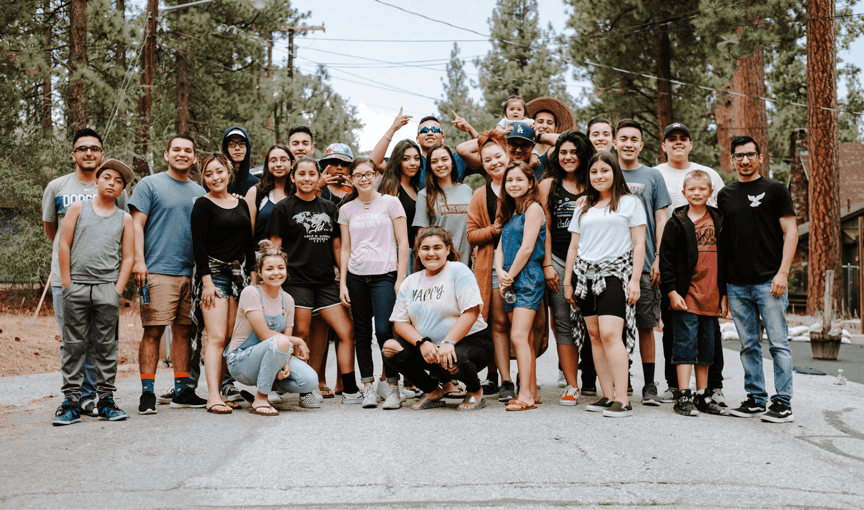
In practice, PAE transforms schools and communities into active hubs of sustainability. Students gather in classrooms and outdoor spaces, attentively listening to teachers explaining planetary health and systems-thinking concepts. They then move into hands-on activities—planting trees, setting up recycling systems, conserving water, or testing soil and water quality. Some work in teams to design eco-innovation projects, like solar-powered water pumps or community gardens, while others participate in citizen science programs, collecting data that contributes to real research.

How has it been spreading?

am yet to try it. will start during Easter break

How have you modified or added to your innovation?

am yet to try it

If I want to try it, what should I do?

If you want to try Planetary Action Education (PAE), start by joining or creating a student sustainability club at your school or community.

Begin with small, hands-on projects like tree planting, recycling drives, or water conservation activities. Connect with teachers or mentors who can guide you and integrate sustainability lessons into your learning.

You can also access digital resources and online modules to learn systems thinking and track your environmental impact. Collaborate with local NGOs or community organizations to expand your projects and gain real-world experience.

Finally, document and share your actions with peers to inspire others and build a growing network of eco-ambitious learners taking action for planetary health.

Implementation steps

Planetary Action Education (PAE): Turning Awareness into Action for a Thriving Planet
Form a sustainability team – students, teachers, and staff. Identify local environmental challenges. Plan hands-on projects (e.g., tree planting, recycling). Integrate learning across subjects with systems thinking. Engage the community and local organizations. Use digital tools to track and share progress. Encourage innovation and leadership through student-led initiatives. Share results and reflect on outcomes and lessons. Advocate for sustainable policies in schools and communities.