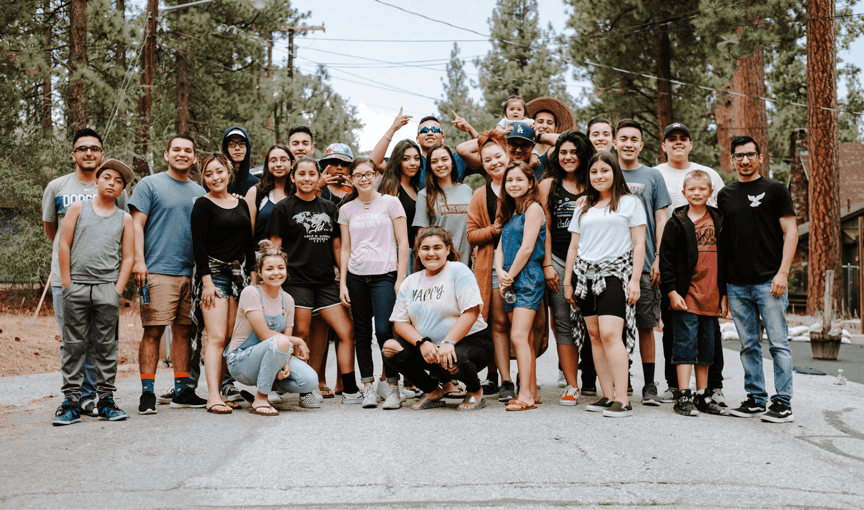


We created this innovation because we’ve lived the problem ourselves. Growing up in rural South Sulawesi, our founder experienced firsthand what it’s like to live without reliable electricity or access to quality education about climate and energy. Later, while working with communities in Kalimantan and Papua, we met young people, especially women and Indigenous youth, who had the curiosity and talent to join the green economy but lacked the tools, guidance, and confidence to get started.
We saw that climate solutions were being built far from the people most impacted, and too often, without their voices. That’s why we created GAWIREA: to bring climate education home, make it hands-on, and ensure that young people from underserved regions aren’t left behind in the energy transition. Our innovation uses technology not as a replacement for people, but as a bridge, connecting local wisdom with new tools like solar kits, gamified platforms, and AI-powered learning. We believe green jobs should be for everyone, not just those in cities or elite schools. GAWIREA is our way of making sure no one is left out of the future they deserve.
In practice, our innovation looks like a village classroom where girls assemble solar panels using DIY training kits. It’s a tablet in a rural learning center where a student chats with Yokha, our AI assistant, to understand how off-grid solar works—in their local language. It’s an immersive VR simulation where Indigenous youth walk through a virtual wind farm or test microgrid designs without leaving home. It’s a game night in a youth center, where climate card games and sustainability puzzles turn learning into play.
Behind the scenes, our team co-creates these tools with the communities we serve, piloting with students in Yogyakarta, girl groups in Kalimantan, and youth cooperatives in Papua. The technology is designed to be low-bandwidth and accessible, built for areas with limited internet or electricity. We partner with local educators and NGOs to train facilitators, adapt content to cultural contexts, and link learners to green job opportunities.
It’s not just about tools, it’s about transformation. We’ve seen youth go from never hearing about solar power to leading energy workshops in their own communities. That’s what our innovation looks like which not just technology, but confidence, connection, and a path to a sustainable future.
Our innovation has been spreading organically through grassroots networks, partnerships, and word of mouth. We began by piloting in a few rural schools and youth communities in Kalimantan, Yogyakarta, and Papua, co-creating tools with local students and educators. As those youth shared their experiences, whether through social media, community events, or local organizations, other groups began asking for the same tools and support.
We’ve also partnered with regional youth networks like YECAP, and organizations such as Plan International, IFA Foundation, and UNDP to scale our reach. Through workshops, webinars, and joint campaigns like Movers4GreenJobs, we've introduced GAWIREA’s approach to broader audiences across Indonesia and Southeast Asia. Our chatbot Yokha has also helped us scale, providing always-available, mobile-based access to learning and responding to real-time questions from users in even the most remote areas.
Additionally, local educators and facilitators who’ve used our training kits and games have become our ambassadors, bringing GAWIREA into their schools, youth clubs, and even radio programs. With growing demand, we’re now building a digital platform and exploring ways to localize content even further, so that the tools can travel faster than we can.
We’ve continuously adapted and expanded our innovation based on direct feedback from the youth and communities we serve.
Originally, our focus was on in-person climate education workshops and small solar demo kits. But after seeing how many young people lacked consistent internet, we developed low-bandwidth versions of our content and introduced an AI-powered chatbot named Yokha, accessible through Telegram and SMS—to answer technical and career questions anytime, anywhere.
When students told us they wanted to “see” the technology in action, we began exploring immersive tools like AR/VR simulations and gamified platforms. We’ve since added solar panel assembly games, virtual walk-throughs of wind farms, and story-based climate adventures. These additions make technical knowledge more engaging—especially for girls and younger learners.
We also modified our approach by incorporating more culturally rooted content, working closely with Indigenous youth groups and local educators to ensure relevance. For example, in Papua, we co-designed sago-powered energy stories and included community elders’ wisdom into our learning materials.
Over time, we’ve added a job-readiness component, connecting learners to green career pathways and mentoring, especially women and youth from off-grid communities.
Just search for “Net Zero Heroes by GAWIREA” and start exploring green jobs, solar tutorials, and climate learning, with no complex installation needed. For those who prefer hands-on or group learning, we regularly host online and offline workshops that include DIY solar kits, card games, and even gamified energy simulations. Educators, youth groups, or local organizations can also reach out to us via our website or social media (@GAWIREA) to request training sessions, download learning materials, or co-host a climate learning camp. We’re happy to share our demo kits, provide AR/VR content (where available), and collaborate on locally relevant modules, especially for schools or communities with limited access to traditional STEM education. Whether you're a curious student, a teacher, or a youth leader, getting involved is simple, engaging, and rooted in community collaboration.