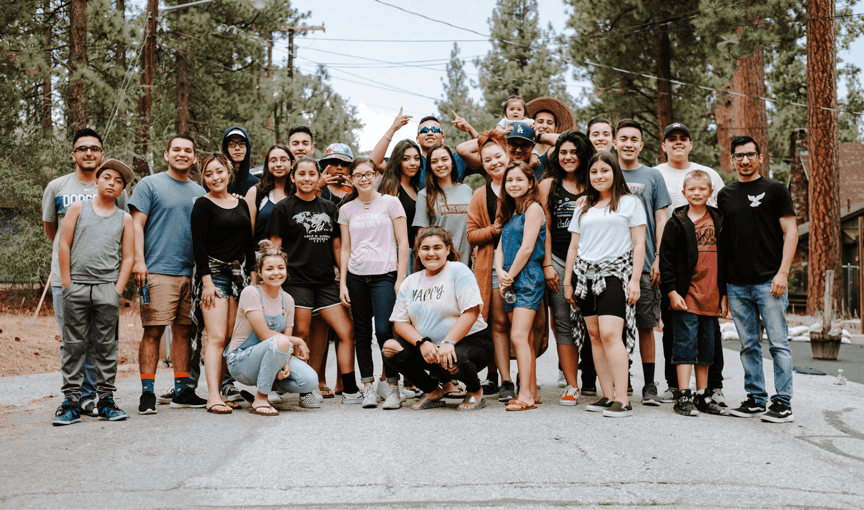


I created this innovation because I witnessed a serious gap in my community — a lack of access to quality STEM and AI education, especially for young people in underserved areas. Many youths were being drawn into internet fraud, sports betting, and other unproductive activities, not because they were bad or lazy, but because they had never been introduced to better opportunities.
I saw talented and curious minds wasting away due to poor infrastructure, lack of exposure, and a failing education system that doesn't prepare them for the digital future. Girls, in particular, were often excluded from tech conversations and classrooms, leaving them behind in a world that is rapidly being shaped by technology.
This innovation was born out of the need to change that. I wanted to decentralize access to STEM and AI by taking it directly to the people — through mobile tech camps, hands-on training, and mentorship programs that reach both urban and rural communities. By doing this, I aim to help young people discover their potential, build skills for the future, and become creators and problem-solvers in their own right.
At its core, this innovation is about giving every child — no matter their background — the tools, knowledge, and confidence to succeed in a digital world. It's about creating real change, one community at a time.
In practice, my innovation operates as a community-based, hands-on learning ecosystem that brings STEM and Artificial Intelligence education directly to underserved areas in Delta State, Nigeria — especially to young girls and marginalized youth.
We organize mobile tech camps, weekend workshops, and school outreach programs across local communities in Delta, where participants learn practical skills such as:
Coding and Programming (Python, Scratch, HTML/CSS)
Robotics and Electronics (using affordable kits)
3D Printing and Design Thinking
Ethical Hacking and Cybersecurity Awareness
Artificial Intelligence Basics (explained through real-life examples and storytelling)
Digital Creativity (graphics design, animation, and video editing)
Each session is interactive and project-based. Students don’t just sit and listen — they build, test, and solve real-world problems using technology.
We use offline digital learning tools and solar-powered devices to overcome challenges like poor internet connectivity and unstable electricity, which are common in many rural areas of Delta State. We also train and support local volunteers, teachers, and mentors to continue the learning process long after our workshops are completed.
A major focus is on empowering girls by creating safe, inclusive spaces where they can explore technology, ask questions, and take the lead in innovation.
In short, this innovation looks like:
Children in Delta State touching their first robot,
Writing their
Our innovation has been spreading organically and intentionally across different communities in Delta State, Nigeria, through a combination of grassroots engagement, partnerships, and community impact.
We started small — with local tech workshops in one school — but the impact spoke for itself. Students began showing interest in coding, robotics, and AI. Teachers and parents took notice, and word quickly spread from one school to another.
From there, we expanded into:
Neighboring schools and villages, using mobile learning kits and local facilitators.
Youth events, tech fairs, and church/community groups, where we ran free demo sessions.
Collaborations with local leaders, NGOs, and school principals, who opened doors and helped us gain trust in more rural areas.
We also used social media and WhatsApp groups to showcase success stories — such as girls building robots or boys creating their first app — which inspired more schools and organizations to reach out.
In addition:
Some of our trained students have become peer mentors, teaching others and helping us scale sustainably.
We’ve been invited to speak at local education summits and youth empowerment events, further growing our reach.
Our approach of using offline tools and solar-powered kits makes it easy to replicate in areas with limited infrastructure.
As our innovation grew and we engaged with more communities across Delta State, we quickly realized the need to adapt and improve based on the realities on the ground. These are the key ways we’ve modified and added to the original idea:
🔧 1. Offline Learning Tools:
We introduced offline versions of our coding and AI lessons using preloaded tablets and mini projectors. This solved the problem of poor internet access in rural communities.
⚡ 2. Solar-Powered Learning Kits:
To address unstable electricity, especially in riverine and off-grid areas, we integrated solar-powered charging stations to keep laptops, robots, and tablets running during workshops.
👩🏽🏫 3. Female-Focused Programs:
We created girls-only training sessions and mentorship programs to build confidence among female students and address the gender gap in tech education. We also trained female instructors as role models.
📱 4. Mobile Learning Hubs:
We converted small buses and vans into mobile tech labs that carry laptops, learning kits, and trainers into hard-to-reach communities, turning any open space into a classroom.
🧑🏽🤝🧑🏾 5. Peer-to-Peer Mentorship:
We now train outstanding students from each community to become local tech mentors, helping to spread the knowledge sustainably and empowering them with leadership skills.
📈 6. Real-World Projects:
Instead of just teaching theory, we added community-based challenges, like building a prototype to solve water issues or designing an app for local
1. Reach Out to Us
Contact our team via WhatsApp, email, or social media. Let us know your name, location, and interest (student, school, NGO, etc.). We'll guide you from there.
✅ 2. Join a Tech Camp or Workshop
We host free and low-cost training camps in various parts of Delta State. You can attend a session in your area or invite us to your school or community.
Try Our Learning Kits
We provide access to STEM and AI starter kits, including coding tablets, mini robots, and printed materials. We'll show you how to use them step-by-step, even without internet.