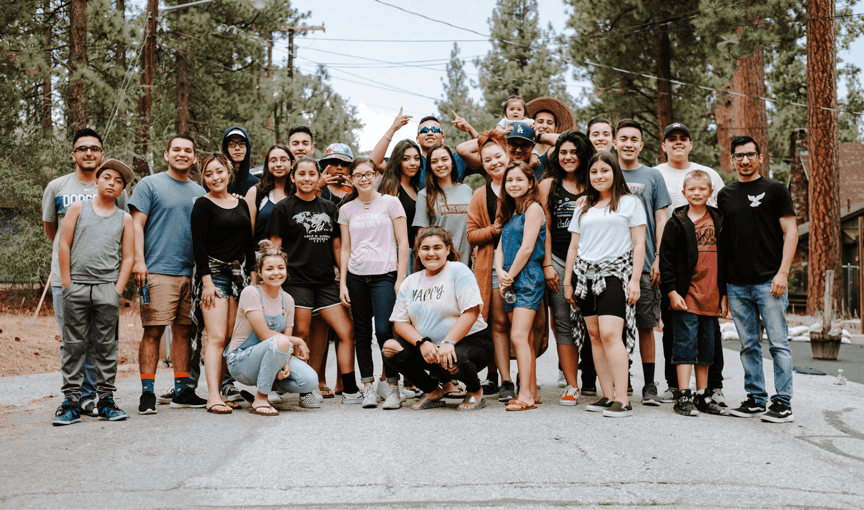


Suicide is the leading cause of death among youth aged 15–29 (WHO, 2021: https://www.who.int/news-room/fact-sheets/detail/adolescent-mental-health) in India. Adolescence is a transitory period marked by neurobiological and physical maturation. It is characterised by a tendency to experiment and seek new experiences, a heightened desire for independence, and an inner search for self-identity. However, it is also marked by low risk perception and poor decision-making, leading to heightened vulnerability to substance abuse, self-harm, and various mental health related challenges. Risk-taking behaviour tends to peak in this age. At the same time, peer relationships and need to belong are important during adolescence as they help develop a sense of identity.
India is home to the largest number of adolescents in the world, comprising about a fifth of its population, i.e. 243 million. According to the National Mental Health Survey 2016, about 9.8 million young Indians aged between 13-17 years suffer from severe mental illness and are in need of active interventions. Despite these staggering numbers, many mental health challenges remain undiagnosed or invisible, often due to societal stigma, limited awareness, and inadequate mental health services.
Veera was developed as a tech-enabled, arts-based programme to address these critical adolescent wellbeing issues through a holistic approach working with adolescents, schools, and families.
The innovation comprises:
- A digital portal delivering a structured musical theatre curriculum to students
- A comprehensive whole school mental health assessment providing school-wide mental health insights for informed decision-making and data-driven strategies
- A peer mental health network comprising trained adolescent mental health champions fostering awareness and encouraging help-seeking
- A cadre of school teachers and caregivers equipped in integrating creative approaches in teaching and learning to promote adolescents well-being
- Linkages with a referral system for mental health support
- Family engagement for open dialogue and continued support at home
Veera works across the school ecosystem, engaging adolescents, teachers, peers, and caregivers to build environments that are consistent, supportive, and responsive to young people’s emotional needs. By integrating trauma-informed practices with arts-based pedagogy, the programme enables adolescents not just to express, but to make sense of their experiences in ways that support healing and growth.
Veera was piloted in phases between 2022 and 2024 across 559 schools in Tamil Nadu (455 schools, 15,000 students), Chennai (85 schools, 8,000 students), Puducherry (10 schools, 5,500 students), and Delhi (9 schools, 400 students), reaching over 28,900 adolescents through teacher-led delivery supported by NalandaWay trainers. Following this pilot, the programme has been rolled out among grades 6 to 9 in five government schools in Tamil Nadu, with further expansion planned this year.
We are strengthening the family engagement component, responding to the need to create supportive ecosystems that continue to foster an environment of wellbeing at home, beyond schools. This takes into consideration the constraints that families might face and employs activities that are designed to mitigate these.
Interested schools are encouraged to carry out a wellbeing assessment with guidance from us and identify the mental health needs in their schools. We encourage schools to connect with us to understand the role of Veera in improving the mental wellbeing ecosystem. School heads are particularly encouraged to review the musical theatre curriculum and explore the role of the arts and activity-based engagement in improving help-seeking and creating environments of trust.
Those interested can reach out to us at jayasrinivasan@nalandaway.org.