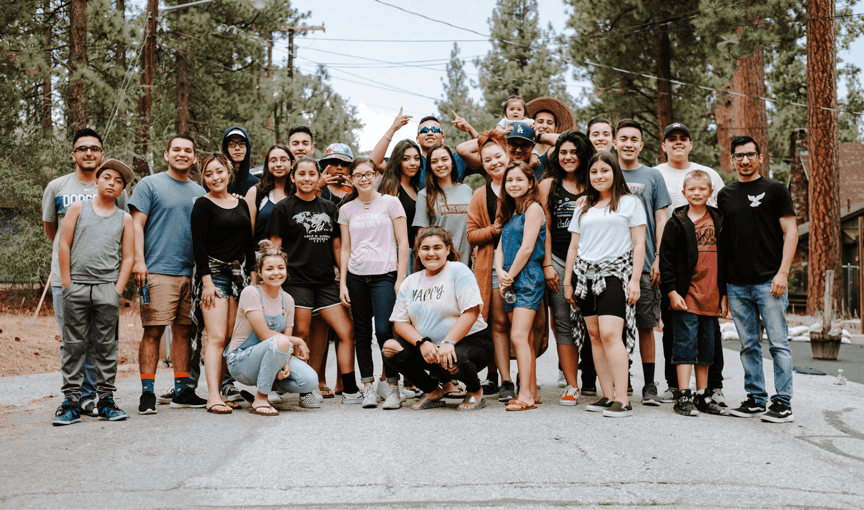


We created Voice of Hands to address the barriers Deaf youth in Tanzania face in accessing education, information, and services, particularly in Comprehensive Sexuality Education (CSE). Deaf children are often excluded from programs that rely on verbal communication or non-inclusive materials, leaving them without critical knowledge about their sexual and reproductive health, rights, and safety. This exclusion can have long-term consequences for their well-being and empowerment.
Our founder, Jeremiah Deus, who was born hearing and later became Deaf, personally experienced these challenges. His journey inspired an innovation that not only promotes Sign Language but also ensures Deaf youth gain the knowledge, skills, and confidence to advocate for themselves and their communities.
Voice of Hands combines Sign Language clubs, youth and parent training, and advocacy to provide inclusive CSE. It equips Deaf youth with essential tools to understand their rights, make informed choices, and participate fully in schools, families, and society. By fostering confidence, leadership, and inclusion, this innovation is building a generation of Deaf youth who can lead, communicate, and shape a society where equality and inclusion are the norm.
In practice, Voice of Hands brings its mission to life through a combination of Sign Language clubs, training programs, and advocacy activities that directly engage Deaf youth, their families, and communities. At the core are Sign Language clubs established in schools, colleges, and community centers, where Deaf youth come together to learn, practice, and strengthen their communication skills. These clubs also serve as safe spaces where participants can access information on Comprehensive Sexuality Education (CSE), discuss health and rights, and build leadership skills.
The innovation also involves training for parents and guardians of Deaf children, empowering them with knowledge, tools, and strategies to support their children’s learning and inclusion. Through workshops, mentorship, and peer-led sessions, both youth and adults gain the confidence to communicate effectively, advocate for access to services, and make informed decisions regarding health, education, and well-being.
Additionally, Voice of Hands emphasizes advocacy and research, promoting Deaf-led initiatives that influence school policies, community practices, and national systems. Youth trained through the program actively participate in awareness campaigns, peer education, and interpretation at events, demonstrating leadership and fostering inclusion.
Through this integrated approach, the innovation ensures that Deaf youth are not only receiving information but are empowered to express themselves, lead initiat
Voice of Hands has been spreading through grassroots engagement, youth leadership, and strategic partnerships. It began in 2023 at Shambalai Secondary in Lushoto, Tanga, where the first Sign Language Club was established and volunteer interpreters were trained. From this starting point, students became ambassadors, sharing their knowledge with peers, neighboring schools, and community groups, creating a ripple effect of inclusion.
The innovation uses a peer-to-peer model, where trained Deaf youth and interpreters mentor new participants, helping to establish additional clubs in schools, colleges, and communities across Tanzania. Workshops for parents and guardians of Deaf children have further expanded reach, creating a supportive environment at home that reinforces learning, confidence, and inclusion.
Community events, awareness campaigns, and social media have amplified impact, sharing success stories, highlighting the importance of Sign Language, and inspiring new participants. Partnerships with organizations such as BILAT, CHAVITA, and local education authorities have enabled the model to replicate in multiple regions, strengthening its sustainability and influence.
Today, Voice of Hands is not only growing in numbers but in impact. Deaf youth trained through the program actively participate in national events, peer education sessions, and advocacy initiatives. Each new club, workshop, or trained youth extends the movement, empowering Deaf youth and building inclusion.
Since its launch, Voice of Hands has evolved to better address the diverse needs of Deaf youth and their communities. Initially focused on establishing Sign Language clubs in schools, the innovation has expanded to include Comprehensive Sexuality Education (CSE), parent and guardian training, and community advocacy. Recognizing that many Deaf youth lacked access to accurate information about health, rights, and inclusion, we added tailored workshops and peer-led sessions that use Sign Language to ensure accessibility and understanding.
We also strengthened the peer-to-peer mentorship model, enabling trained students to become leaders and facilitators in new clubs, which accelerated the spread of the innovation to additional schools and communities. Partnerships with local organizations and education authorities were formalized to scale the program and integrate it into broader educational and community systems.
Additionally, we incorporated data collection and feedback mechanisms, allowing participants to share experiences, challenges, and suggestions. This informed continuous improvements in training content, teaching methods, and outreach strategies. By combining education, advocacy, and mentorship with monitoring and evaluation, Voice of Hands has become a more holistic and responsive innovation, empowering Deaf youth, supporting families, and promoting inclusive communities across Tanzania.
To try Voice of Hands, start by joining or establishing a Sign Language Club at your school, college, or community. Connect with trained youth or coordinators, and learn directly from programs led by Jeremiah Deus, CEO of TOSL. Attend workshops and peer-led sessions on Sign Language and Comprehensive Sexuality Education (CSE) to build knowledge and confidence. Involve your parents or guardians to create a supportive environment.
You can also volunteer as a peer mentor, help organize awareness events, or participate in advocacy campaigns to promote inclusion. For guidance, support, and resources, reach out to Tanzania Organization for Sign Language(TOSL) via email toslcheadquarter@gmail.com or phone +255712580172. By taking these steps, you’ll gain the tools to communicate, learn, and lead, while contributing to a more inclusive society for Deaf youth.