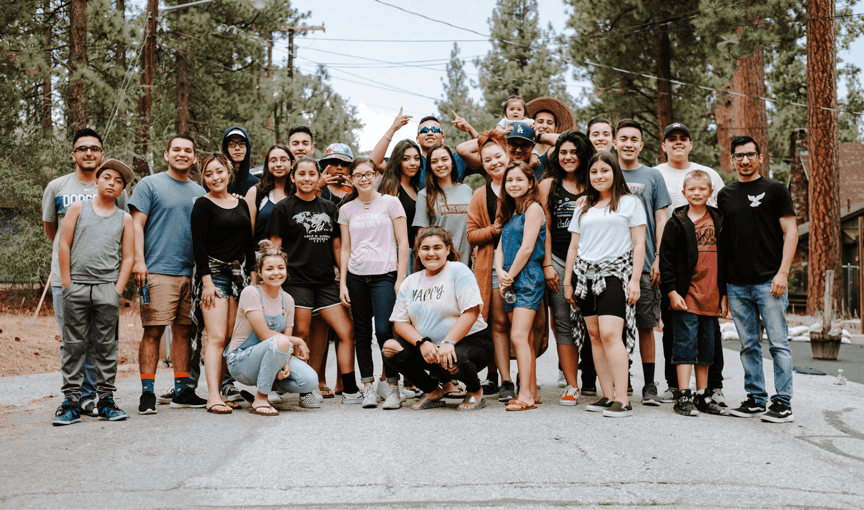


In Bomet County, Kenya, many secondary school students aged 13–17 face challenges that limit their potential. They often struggle with poor decision-making, low digital literacy, limited soft skills, and exposure to drug and substance abuse. These gaps affect their academic performance, personal growth, and future opportunities. To address this, we created the Universal Mentorship Initiative (UMI), a youth-led social enterprise dedicated to empowering teens with the tools, knowledge, and support they need to succeed.
UMI delivers school-based mentorship programs focused on personal effectiveness, digital literacy, soft skills, and drug prevention education. Our approach is unique, combining peer-led mentorship, interactive workshops, and life skills clubs, fostering a supportive environment where students learn from mentors and each other. Through UMI, teens develop confidence, resilience, leadership, teamwork, and responsible decision-making, preparing them to navigate school, technology, and life safely and effectively.
We created UMI because we believe every teen deserves guidance and opportunities to grow. By equipping students with practical skills and life strategies, UMI transforms vulnerable adolescents into self-aware, responsible, and empowered young leaders. Our vision is clear: a generation of teens who are ready to Skill. Shape. Soar.
In practice, the Universal Mentorship Initiative (UMI) is a dynamic, school-based program engaging secondary school students aged 13–17 in Bomet County. Participating schools host mentorship clubs, where trained peer mentors and facilitators lead weekly interactive sessions on personal effectiveness, digital literacy, soft skills, and drug and substance abuse prevention. Students engage in activities such as goal-setting workshops, team-building exercises, leadership challenges, digital skills labs, and awareness campaigns.
UMI emphasizes hands-on, project-based learning, allowing teens to apply lessons in real-life scenarios—designing peer-led anti-drug initiatives, practicing responsible online behavior, or implementing community improvement projects. Mentors provide guidance, monitor progress, and encourage reflection, ensuring each student develops confidence, resilience, critical thinking, and responsible decision-making.
Beyond schools, UMI organizes community outreach and mentorship events, where teens share knowledge, involve parents and teachers, and inspire positive social change. By combining structured learning, peer mentorship, and practical application, UMI transforms knowledge into tangible skills, enabling students to navigate challenges, seize opportunities, and ultimately Skill. Shape. Soar.
The Universal Mentorship Initiative (UMI) has been steadily expanding across Bomet County through school partnerships, peer-to-peer networks, and community engagement. Starting in a few pilot secondary schools, UMI demonstrated measurable impact, leveraging the enthusiasm of trained peer mentors to inspire adoption in neighboring schools. Word-of-mouth among students, teachers, and parents has been a key driver of growth.
UMI actively involves community leaders, education stakeholders, and youth organizations to raise awareness and build trust. Through workshops, school visits, and outreach events, more schools have embraced UMI’s mentorship model. Social media and mobile communication amplify its reach, allowing teens to share success stories, skills, and experiences with peers in other schools.
The program’s replicable framework—including mentorship guidelines, facilitator training, and tools for life skills, digital literacy, and drug prevention—has enabled UMI to grow from a single-school initiative into a county-wide movement, empowering more teens with confidence, resilience, and leadership abilities. UMI’s spread highlights how a peer-led, school-based approach can transform individual lives and inspire broader community change.
Since its inception, the Universal Mentorship Initiative (UMI) has continuously evolved to better serve secondary school students aged 13–17 in Bomet County. Initially focused on general mentorship and soft skills, we identified gaps in digital literacy, practical life skills, and drug prevention, prompting enhancements to the program.
UMI now features structured modules on responsible technology use, online safety, digital tools, and social media awareness, preparing teens for the digital economy. We introduced project-based learning, allowing students to apply lessons through peer-led anti-drug campaigns, community service initiatives, and leadership exercises.
To increase engagement, UMI adopted a peer mentorship model, training motivated students to guide their classmates. This has strengthened participation, improved learning outcomes, and fostered a culture of peer accountability and collaboration. Additionally, monitoring and feedback mechanisms have been integrated to track progress, assess impact, and adapt sessions to each school’s needs.
These enhancements make UMI practical, interactive, and responsive, delivering a youth-centered program that equips students with the skills, confidence, and resilience needed to navigate school, technology, and life successfully. By continuously refining content and delivery, UMI ensures teens are empowered to Skill. Shape. Soar.
To experience the Universal Mentorship Initiative (UMI), follow these steps. UMI targets secondary school students aged 13–17 in Bomet County, so the first step is to identify your school or youth group as the starting point.
Next, contact UMI through our official channels—email, phone, or social media—to express interest in joining the program or establishing a mentorship club at your school. Once your school is enrolled, UMI conducts an orientation session for students, teachers, and parents, detailing the program structure, activities, and expected benefits.
Students then join a mentorship club, participating in weekly interactive sessions on personal effectiveness, soft skills, digital literacy, and drug prevention. Each session blends peer-led mentorship, practical exercises, and collaborative projects, allowing students to apply their learning in real-life scenarios.
Active engagement is encouraged through team-building activities, leadership exercises, community initiatives, and digital projects, with mentors guiding reflection and responsible decision-making. Participants’ feedback helps UMI continuously refine the program to meet students’ needs.
By following these steps, students gain confidence, resilience, leadership, and practical skills, preparing them to navigate school, technology, and life successfully. Through UMI, every teen has the opportunity to Skill. Shape. Soar.